
What Are Tree Pruning Services and Why Do They Matter in Urban Forestry?
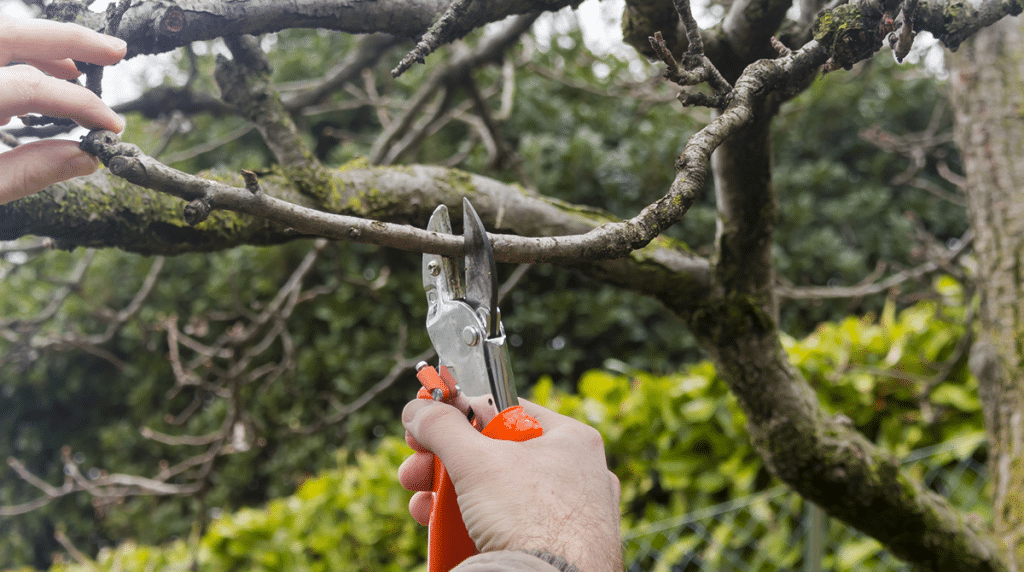
Tree pruning services involve the selective removal of branches, limbs, and foliage to maintain tree health, safety, and structural integrity. Professional arborists assess individual trees and remove dead, diseased, or damaged wood whilst shaping canopies to prevent interference with buildings, power lines, and pedestrian areas.
These services form the backbone of successful urban forestry programs. Without regular pruning, city trees become hazardous, dropping limbs during storms or developing structural weaknesses that threaten public safety. Municipalities rely on systematic pruning schedules to manage thousands of street trees efficiently.
The benefits extend far beyond risk management:
- Enhanced tree longevity through early disease detection and removal of competing branches
- Improved air quality as healthier trees process more carbon dioxide and pollutants
- Reduced urban heat through maintained canopy coverage that provides shade
- Aesthetic value that increases property values and community pride
- Wildlife habitat preservation by maintaining mature trees that support urban biodiversity
Tree pruning services represent a critical investment in urban infrastructure. Cities that neglect this maintenance face costly emergency removals, property damage claims, and the loss of mature trees that took decades to establish. The social history of urban tree care demonstrates how communities have increasingly recognized pruning as essential rather than optional, transforming it from sporadic intervention into planned, professional management that protects both trees and residents.
How Have Tree Care Practices Evolved Alongside City Development?
The history of urban tree care reflects the changes in cities themselves, starting in the 19th century when rapid industrial growth led city leaders to include green spaces in their designs. In the early days of city planning, trees were mainly seen as decorative additions to wide streets and parks, with little thought given to how they would be maintained in the future.
Public health movements fundamentally reshaped attitudes toward urban trees. In the 1800s, doctors and social reformers advocated for trees as natural air purifiers that could help fight against the smoke and pollution suffocating industrial cities. This scientific understanding elevated trees from mere decorations to vital public health infrastructure, leading local governments to create systematic methods for planting and caring for them.
The early 20th century saw a shift towards professional management of urban forests, with cities establishing dedicated departments responsible for overseeing tree populations. Arborists began applying horticultural science to make informed decisions about which tree species to plant along streets and in public spaces, how to properly care for them, and when to carry out maintenance tasks. City planning also evolved during this time period:
- Trees were strategically placed along roads and in public squares
- Species selection took into account factors such as climate resilience and growth patterns
- Regular inspections were conducted to assess the health of individual trees
- Documentation systems were put in place to track the condition of each tree
After World War II, as suburbs expanded, trees became an integral part of urban planning once again. Developers started using mature trees as attractive features when marketing new neighbourhoods. This era brought about a greater understanding that proper pruning techniques and ongoing care required expertise beyond what was typically possessed by general landscapers or gardeners. As a result, professional tree pruning services began emerging as a specialized field within horticulture.
Today, comprehensive urban forest management plans are being implemented by many cities. These plans aim to ensure the sustainability and health of urban forests while balancing the needs of city development and residents’ quality of life.
What Role Do Tree Pruning Services Play in Maintaining Healthy Urban Ecosystems?
Tree pruning services directly strengthen urban ecosystems by maintaining tree health, which has broader environmental benefits for entire city populations. Healthy trees filter air pollutants, absorb carbon dioxide, regulate temperatures through shade and transpiration, and manage stormwater runoff by intercepting rainfall before it overwhelms drainage systems.
Professional pruning supports these ecosystem functions through targeted interventions:
- Removing diseased or dead branches prevents pathogens from spreading to other trees, protecting the urban canopy’s overall resilience
- Thinning dense crowns improves air circulation and light penetration, reducing fungal infections while allowing plants underneath to thrive
- Structural pruning strengthens trees against storm damage, preventing fallen limbs from blocking waterways or damaging green infrastructure
- Crown lifting creates space for pedestrians and vehicles while maintaining the tree’s ability to photosynthesize
The benefits of tree pruning extend beyond individual trees to support wildlife corridors within cities. Properly maintained trees provide consistent nesting sites for birds, while strategic pruning preserves flowering and fruiting wood that feeds urban pollinators and small mammals. When pruning practices consider seasonal timing, they protect breeding cycles and food sources that depend on mature urban trees. This careful balance between human safety needs and ecological requirements demonstrates how technical tree care directly maintains the complex web of relationships that define functioning urban ecosystems.
How Do Social Values Shape Our Approach to Caring for Trees in Urban Spaces?
Community values directly determine which trees get planted, how they’re maintained, and when they’re removed from urban landscapes. Neighbourhoods with strong environmental advocacy often push for native species plantings and organic pest management, whilst areas prioritising economic development may favour fast-growing ornamental varieties that enhance property values quickly.
Community priorities manifest in tree care strategies through:
- Public consultations that influence species selection and planting locations
- Resident-led initiatives demanding preservation of mature trees during development
- Cultural preferences affecting pruning styles and maintenance schedules
- Neighbourhood associations establishing private tree care standards
Historic districts frequently resist aggressive pruning techniques to maintain the character of heritage trees, even when modern arboricultural practices might suggest more extensive intervention. Conversely, communities concerned with safety may advocate for regular crown reduction and deadwood removal, particularly near schools and playgrounds. For insights into effective urban tree risk management, it’s essential to consider these community-driven factors.
The social history of urban tree care reveals how shifting values around sustainability have transformed municipal approaches. Cities that once prioritised uniform street tree aesthetics now embrace biodiversity, planting diverse species to create resilient urban forests. Some communities have successfully campaigned to save individual trees with cultural significance, demonstrating how emotional connections to specific specimens can override purely technical considerations in tree management decisions. This shift towards biodiversity is a testament to the evolving nature of our relationship with urban trees.
Incorporating sustainable practices into urban forestry can further enhance this relationship, ensuring that our cities remain green, vibrant, and resilient for future generations.
What Are The Municipal Responsibilities When It Comes To Delivering Effective Tree Pruning Services?
Local governments are responsible for looking after urban tree populations. This includes everything from planting new trees to maintaining them over time and eventually removing them if necessary. The roles of municipalities in managing urban forests involve overseeing regulations, allocating resources, and providing services directly through forestry departments or hired specialists.
Core municipal responsibilities include:
- Conducting regular tree inventories and risk assessments
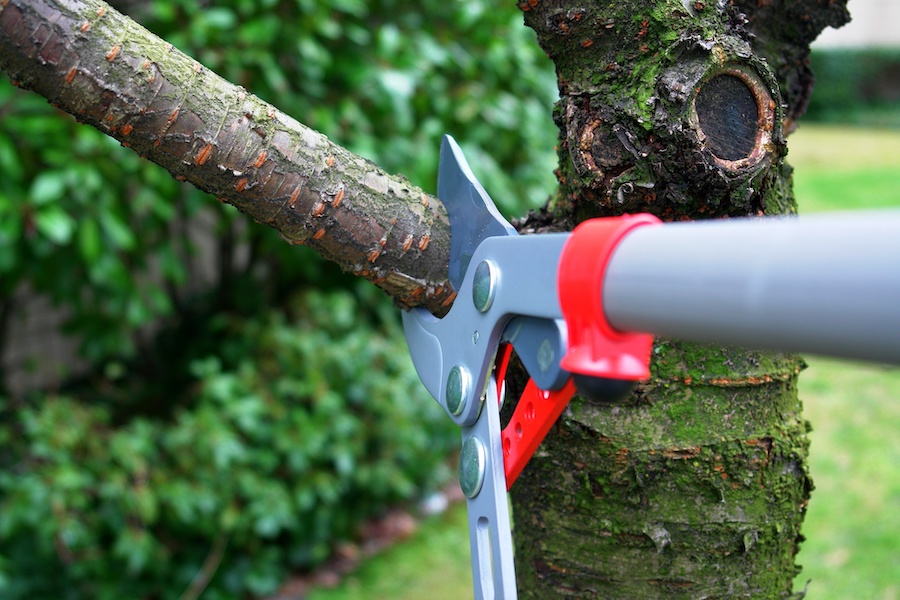
- Scheduling preventative pruning to maintain structural integrity
- Responding to emergency situations involving damaged or hazardous trees
- Enforcing tree protection bylaws and permit requirements
- Allocating budgets for equipment, training, and workforce development
Cities usually decide how often to prune trees based on their species, age, and location. Trees along busy roads may be pruned every 3-5 years, while trees in parks have different schedules depending on their condition and safety concerns.
Effective tree care requires partnership between municipal staff and residents. Many councils operate reporting systems where citizens can flag concerns about overgrown branches, diseased specimens, or visibility obstructions. Some municipalities offer cost-sharing programmes for pruning trees on private property that contribute to the urban canopy.
The success of these programmes depends on clear communication about service standards, response times, and the reasons behind pruning decisions. Public education initiatives help residents understand why certain trees receive priority treatment and how proper maintenance protects community investments in green infrastructure.
To ensure a comprehensive approach towards managing the urban forest, municipalities often develop an urban forest management plan. Such plans outline strategies for preserving existing trees, enhancing green spaces, and ensuring sustainable growth of the urban forest.
Why Is It Essential To Recognise The Cultural Significance Of Trees In Cities When Considering Their Care Needs?
The cultural significance of urban trees goes beyond their environmental roles—they are living monuments, gathering spaces, and symbols of community identity. Trees often represent important historical events, honour individuals, or embody cultural traditions that connect neighbourhoods. For instance, the erased history of Blacks in New Orleans includes significant contributions to urban gardening and farming, which are intimately tied to the city’s trees. When tree pruning services overlook these deeper meanings, they risk damaging community trust and erasing invaluable heritage.
Transforming Tree Care Through Cultural Understanding
Understanding cultural value changes tree care from a purely technical task into a collaborative effort. For example, a century-old oak may require specific pruning methods that maintain its historical shape instead of following standard maintenance procedures. Communities with strong cultural ties to certain trees expect discussions before major actions are taken, rather than just being informed.
Recognising Diverse Community Values
Fair approaches to urban tree care involve understanding that different communities place different levels of importance on specific trees or species. Some neighbourhoods may prioritise native species connected to indigenous heritage, while others value trees planted by founding families or those that witnessed significant local events.
This cultural awareness directly impacts pruning choices:
- Timing interventions around cultural celebrations or seasonal observances
- Preserving characteristic shapes that define neighbourhood character
- Consulting community elders before removing or heavily pruning heritage specimens
- Documenting oral histories associated with significant trees
Tree pruning services that include cultural knowledge build stronger urban forests by encouraging community involvement in long-term tree health.
The Future Of Urban Tree Care: Balancing Expert Services With Community Engagement
What does the future hold for urban tree management? The field faces mounting pressures from climate change, invasive pests, and rapid urbanisation, requiring innovative solutions that blend professional tree pruning services with grassroots participation.
Future trends in urban forestry point towards several key developments:
- Technology integration: Digital tree inventories and predictive modelling help municipalities prioritise pruning interventions
- Climate-adaptive species selection: Planting resilient varieties that withstand extreme weather whilst maintaining canopy cover
- Equity-focused distribution: Ensuring disadvantaged neighbourhoods receive equal access to professional tree care services
Tree pruning services and the social history of urban tree care demonstrate that successful programmes have always merged technical knowledge with public engagement. Modern challenges demand this collaboration more than ever. Citizen science initiatives, volunteer pruning workshops, and community tree stewardship programmes create shared ownership of urban forests.
Professional arborists bring essential expertise in structural assessment, disease diagnosis, and safe pruning techniques. Residents contribute local knowledge, long-term monitoring, and advocacy for adequate funding. Ready to support your local urban forest? Contact your council about volunteer opportunities or request professional pruning services for neighbourhood trees today.
Learn about: Tree Removal as a Cultural Marker of Human Control Over Nature
FAQs
Tree pruning services involve the selective removal of branches to maintain tree health, safety, and structural integrity. They help prevent hazards, support urban ecosystems, and enhance aesthetics and property values.
Urban tree care has shifted from decorative planting in the 19th century to systematic, professional management, emphasizing public health, biodiversity, and sustainable urban forestry.
Pruning removes diseased or dead branches, improves air circulation, strengthens tree structure, and maintains habitats for birds and pollinators, ensuring a resilient urban canopy.
Community priorities influence species selection, pruning techniques, and maintenance schedules, balancing safety, aesthetics, cultural traditions, and ecological considerations.
Municipalities conduct tree inventories, schedule preventative pruning, respond to hazards, enforce protection bylaws, allocate budgets, and engage the public in urban forest stewardship.
Culturally significant trees act as living monuments and symbols of community identity. Understanding their value ensures pruning respects heritage, historical events, and local traditions.
Pruning reduces risks from falling limbs, prevents interference with infrastructure, and mitigates storm damage, safeguarding pedestrians, vehicles, and property.
Regular pruning extends tree lifespan, maintains canopy coverage for cooling and air quality, enhances biodiversity, and reduces costly emergency removals.
Digital inventories, predictive modeling, and climate-adaptive species selection help prioritize interventions, optimize resources, and ensure equitable tree care across neighborhoods.
Residents contribute local knowledge, monitor tree health, advocate for funding, and participate in volunteer initiatives, creating shared ownership and sustainable urban forests.