
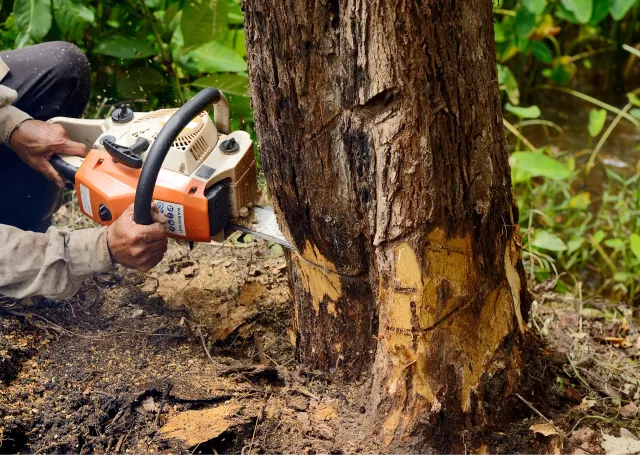
Knowing when to call a reliable tree trimming service depends on recognizing critical warning signs that threaten your property and safety. Trees growing near power lines, storm-damaged limbs, and structurally unsound branches all require immediate professional attention to prevent outages, fires, and injuries.
Timely intervention by a reliable tree trimming service protects both your home and community infrastructure. Professional arborists have specialized training to handle dangerous situations involving electrical lines, emergency storm damage, and hazardous tree removal that homeowners should never attempt alone.
Understanding when to call tree trimming service near me experts saves money on potential property damage while ensuring proper maintenance techniques that preserve tree health and neighborhood safety.
Why Should Trees Growing Near Power Lines Be Trimmed?
Trees near power lines can pose serious safety risks that require immediate professional attention. When branches come into contact with electrical lines, they have the potential to spark fires, cause widespread power outages, and create life-threatening hazards for anyone in the vicinity.
The Importance of Power Line Safety
To ensure power line safety, it is necessary to maintain specific clearance zones around electrical infrastructure. When vegetation comes into contact with high-voltage lines, it generates heat which can ignite dry branches and spread flames to nearby structures. Additionally, overgrown limbs can disrupt the flow of electricity during windy conditions or storms, resulting in outages that affect entire neighborhoods.
The Role of Certified Professionals
Certified professionals are trained in the protocols for tree trimming near utilities that prioritize the safety of both workers and property. These specialists utilize insulated equipment, adhere to strict safety distances, and coordinate with utility companies before commencing any work. They also employ specialized techniques such as directional pruning to guide future growth away from power lines while ensuring the health and stability of the tree.
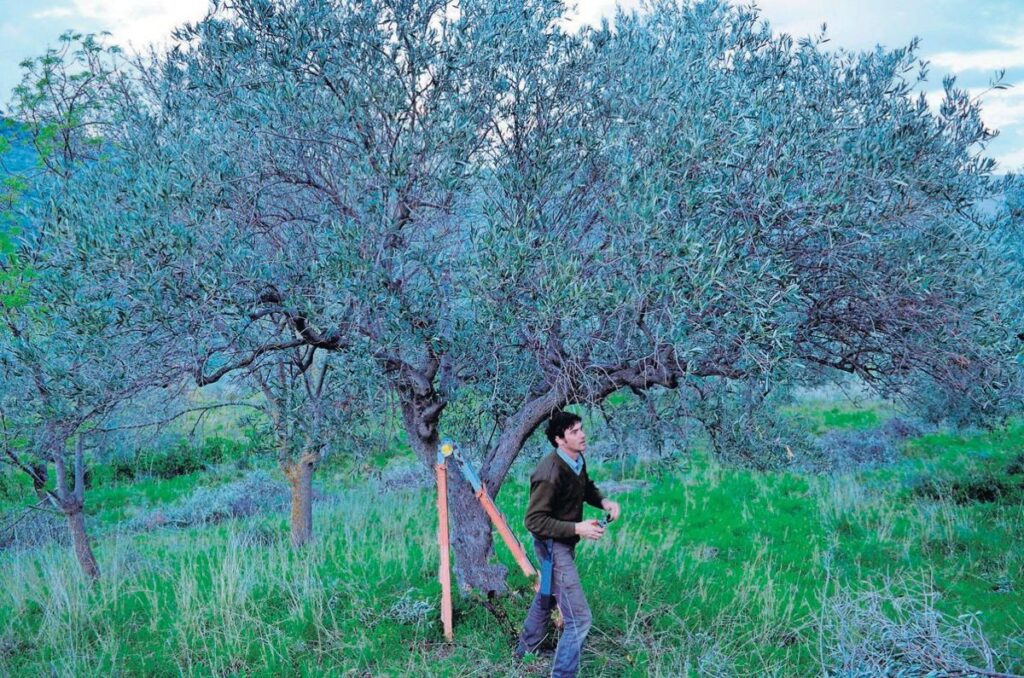
When Should You Call a Tree Trimming Service for Storm Damage?
You should consider calling a tree trimming service when storm damage poses a threat to the stability of your trees. This can happen due to strong winds, ice storms, or heavy rainfall. If you notice any fallen branches or partially broken limbs, it’s important to take action quickly as they can create dangerous situations, especially if they are resting on roofs, cars, or power lines.
Why Is It Important to Address Fallen Limbs on Power Lines?
Fallen limbs on power lines are particularly urgent and require immediate professional intervention. Attempting to remove them yourself can be extremely dangerous due to the risk of electrocution. It’s crucial to leave such situations in the hands of trained experts who know how to handle them safely.
How Can Emergency Tree Services Help?
Emergency tree services specialize in dealing with storm damage and have the necessary equipment and expertise to assess the situation. They can determine which branches need immediate removal and which ones can wait, preventing further damage to your property and ensuring safe access to your home.
One common issue that storms cause is instability in tree roots. Even if there are no visible signs of damage above ground, it’s possible for storms to weaken the root system of a tree. Professionals from emergency tree services are trained to identify such problems and take appropriate action before they lead to bigger issues like falling trees.
How Does Routine Tree Maintenance Prevent Hazards?
Regular pruning keeps branches from growing into power lines and structures before they become dangerous. Preventive tree care identifies weak limbs that could break during storms, significantly reducing the risk of outages and property damage when high winds or ice arrive.
Scheduling routine tree trimming with certified professionals—typically once or twice yearly—catches problems early. Arborists assess growth patterns, remove deadwood, and maintain proper clearances around utilities during these visits. This proactive approach costs less than emergency services and protects both your property and neighborhood infrastructure.
When to Call a Reliable Tree Trimming Service Near Me includes establishing a maintenance schedule based on your trees’ species, age, and proximity to power lines. Fast-growing varieties near utilities need more frequent attention than slower-growing specimens.
When Are Trees Considered Hazardous and Need Expert Attention?
Hazardous trees removal becomes necessary when visible warning signs appear. Structurally unsound trees show symptoms like deep cracks in the trunk, significant lean toward buildings or power lines, extensive decay at the base, or large dead branches throughout the canopy. Dying trees with bare patches, peeling bark, or fungal growth at the roots pose immediate risks to nearby homes and utilities.
Expert tree inspection by certified arborists provides accurate assessment of danger levels. Professionals use specialized equipment to evaluate internal decay, root stability, and structural integrity that homeowners cannot detect. They determine whether selective pruning can save the tree or if complete removal is the safest option.
The safety implications extend beyond your property line. A falling hazardous tree can damage neighbor’s structures, injure people, or cause widespread power outages. Structurally unsound trees require prompt professional attention before weather events trigger catastrophic failure.
Why Should Trees Encroaching on Utility Equipment Be Addressed Promptly?
Trees on utility poles create immediate safety risks and operational problems. When branches grow into guy wires, transformers, or directly on poles, they can cause equipment failure, power interruptions, and create dangerous conditions for utility workers and the public. The weight of vegetation can strain infrastructure, while moisture from leaves accelerates corrosion and deterioration of critical components.
Professional tree clearance specialists use specialized equipment and techniques to address utility equipment interference without compromising system integrity. Certified crews coordinate with utility companies to de-energize lines when necessary, employ insulated tools rated for electrical work, and follow strict safety protocols established by industry standards. These experts understand clearance requirements for different voltage levels and can remove vegetation while maintaining the structural stability of both the tree and utility infrastructure.
What To Do In Emergency Situations Involving Trees and Power Lines?
Call 911 and your utility company immediately if a tree or limb falls on a power line—never attempt removal yourself. The risk of electrocution is severe, as downed lines can remain energized and conduct electricity through the tree, ground, and anyone who comes near.
Keep everyone at least 30 feet away from the fallen tree and any downed wires. Electricity can arc through the air and travel through wet ground, making the entire area dangerous. Warn neighbors and passersby to stay clear until professionals arrive.
Emergency tree removal near power lines requires specialized equipment and training that only certified professionals possess. Utility crews must first de-energize the lines before any fallen tree emergency response team can safely begin work. Attempting DIY removal creates catastrophic electrocution risk and potential property damage from improper handling.
If someone is trapped near a downed power line, resist the urge to help directly. Contact emergency services and wait for trained responders who have proper protective equipment and protocols for rescue operations involving electrical hazards.
When Should Homeowners Seek Advice Before Planting Trees Near Power Lines?
Should you consult professionals before planting trees near utilities? Yes, seeking planting trees near power lines advice before breaking ground prevents costly interference issues years down the road. A certified arborist can assess your property and recommend safe tree planting guidelines that account for mature tree heights and growth patterns.
The right species makes all the difference. Small ornamental trees like dogwoods or crabapples work well beneath power lines, while fast-growing varieties like poplars or silver maples create future hazards. Professionals help you:
- Identify proper distances from overhead and underground utilities
- Select slow-growing species with predictable mature heights
- Position trees to avoid root interference with underground lines
- Plan for adequate clearance as trees reach full size
Strategic placement protects both your investment and community infrastructure. Trees planted 20 feet from power lines today can become dangerous obstructions within a decade without proper planning.
How Do Professional Tree Trimming Services Ensure Safety and Tree Health?
Certified arborists tree trimming services employ specialized techniques that protect both people and plants. These trained professionals use methods like lateral pruning (cutting back to a side branch) and V-pruning (creating a V-shaped clearance) to maintain safe distances from power lines while preserving the tree’s natural growth patterns.
Safe pruning techniques prioritize the tree’s long-term vitality. Arborists make strategic cuts that encourage healthy regrowth away from utility lines rather than simply hacking away branches. This approach prevents weak, rapid regrowth that could quickly re-enter danger zones.
Before any work begins, professional services contact property owners to:
- Explain the planned trimming approach
- Identify which trees require attention
- Schedule work at convenient times
- Address any concerns about tree preservation
Lateral pruning benefits extend beyond clearance—it maintains the tree’s structural integrity and reduces stress on the plant. Arborists assess each tree individually, determining the optimal cutting points that balance utility safety requirements with the specimen’s health needs.
Who Is Responsible For Debris Removal After Tree Trimming Or Removal?
Homeowner responsibility debris cleanup typically falls on the property owner when work occurs on private land. Professional tree trimming services usually cut and remove large branches and trunks, but smaller debris like twigs, leaves, and wood chips often remain on your property. Most contracts specify whether debris removal after tree trimming is included in the service package or requires an additional fee.
Utility company-managed areas follow different rules. When utility companies trim trees near power lines on public right-of-ways or their easements, they handle debris removal in those specific zones. Private property trees trimmed by homeowner-hired services remain the homeowner’s responsibility, even if the work was necessary due to proximity to power lines.
Before hiring a service, clarify debris removal terms in your contract. Some companies offer complete cleanup as part of their standard service, while others charge separately.
Conclusion
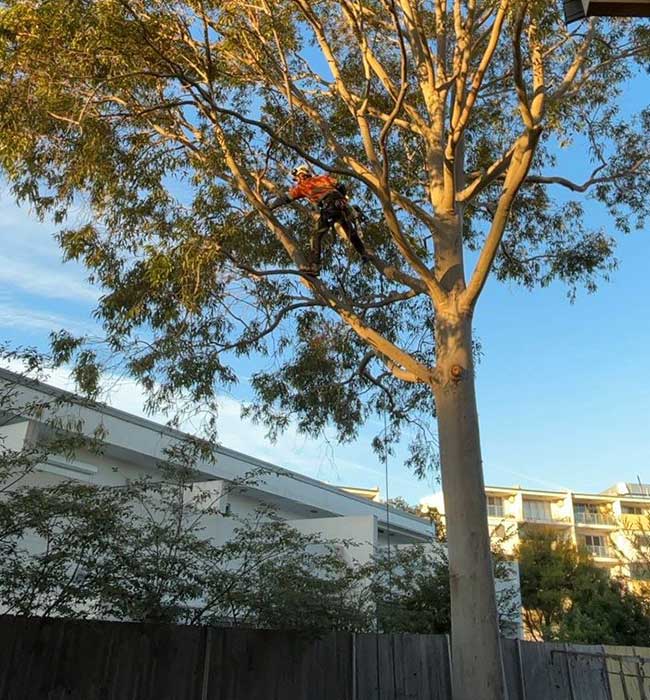
Knowing when to call a reliable tree trimming service is crucial for maintaining safety and preventing potential hazards. Here are some key situations where professional help is necessary:
- Trees growing near power lines
- Storm-damaged limbs that pose a risk
- Branches encroaching on utility equipment
- Structurally compromised trees requiring expert attention
While aesthetics may be a consideration, the benefits of hiring a tree trimming service go beyond appearance. Professional intervention can:
- Prevent power outages caused by fallen branches
- Reduce the risk of fire hazards due to overhanging trees
- Protect your property from damage caused by falling limbs
- Promote the health and longevity of your trees through proper pruning techniques
It’s important to understand that attempting DIY solutions near electrical infrastructure can be extremely dangerous. Life-threatening hazards should never be taken lightly, and no homeowner should put themselves at risk.
There are specific signs that indicate when it’s time to call in the professionals for tree care:
- Branches within 10 feet of power lines
- Dead or dying trees leaning toward structures
- Emergency situations following severe weather events
To avoid these emergencies altogether, routine maintenance schedules with qualified services are essential.
Remember, your safety and the safety of your neighbors depend on timely action. Certified arborists have the expertise, equipment, and insurance coverage necessary to handle complex situations safely. They will communicate clearly about their work plans, ensuring everyone involved understands what will happen.
By proactively managing your trees through professional services, you can save lives, prevent property damage, and maintain reliable electrical systems throughout your community.
More about How to Choose the Right Tree Loppers Near Me in Sydney