
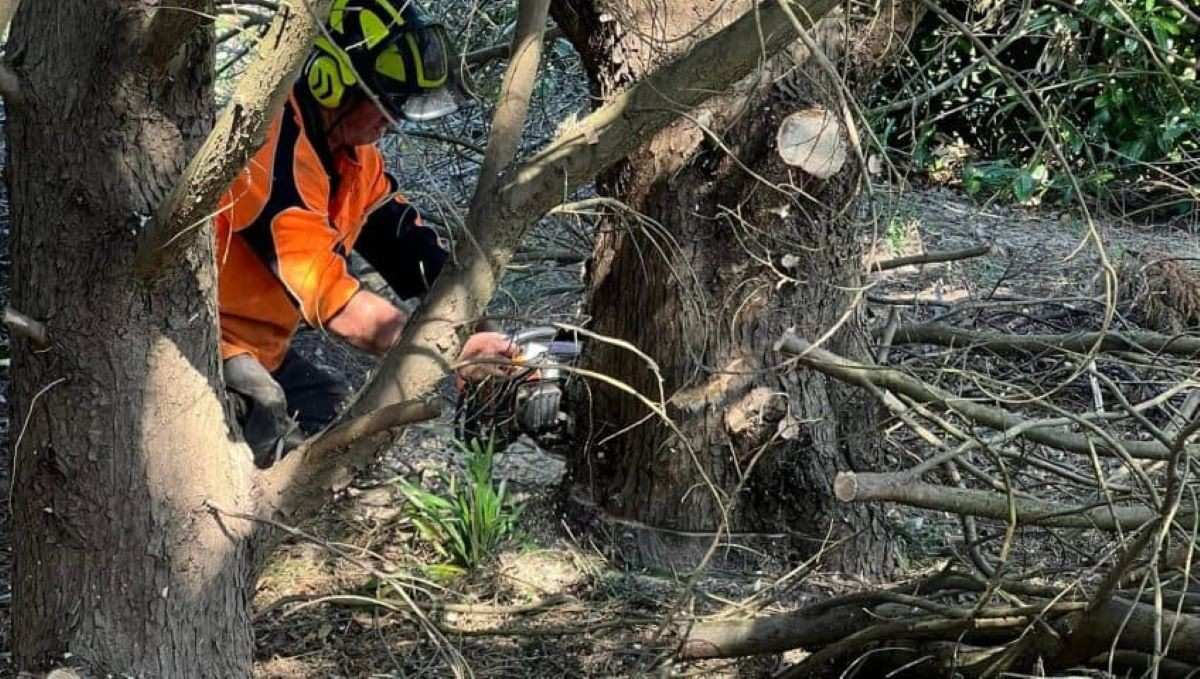
The tips below focus on the highest-impact maintenance habits homeowners can follow to reduce risk, protect tree health, and avoid costly surprises.
What should homeowners check first when walking their property?
They should start by identifying anything that could fail and cause damage. This includes overhanging limbs, visible cracks in large branches, dead tops, and trees that are leaning more than they previously did. It’s also important to check for soil lifting, exposed roots, or new gaps around the base, as these can indicate ground movement.
If any changes appear recent, it’s wise to arrange an assessment with a qualified arborist Pymble rather than waiting for the next storm.
How can they spot early warning signs that a tree is becoming unsafe?
They should look for changes, not just defects. Sudden leaf drop, thinning canopy, dieback at branch tips, or mushrooms at the base can indicate stress or decay. Bark splitting, oozing sap, and hollow sounds when gently tapped can also be red flags.
If a tree is close to a home, driveway, or play area, an arborist’s inspection is usually the safest next step.
When is the best time to prune trees in Pymble?
They should time pruning around the tree’s biology and the property’s risk profile. Many trees respond well to pruning outside peak heat and extreme cold, but timing varies by species. A local arborist will also factor in nesting seasons, growth cycles, and how fast a canopy will regrow.
For homeowners, the practical rule is to prune before problems start, not after branches are already touching roofs and lines.
What pruning mistakes tend to create more problems later?
They should avoid topping, harsh lopping, and removing too much canopy at once. These cuts often trigger weak regrowth, sun damage, and long-term structural issues. Poor cuts can also invite decay, especially when large limbs are removed without correct technique.
If they want more light, clearance, or shape, targeted pruning is usually better than a drastic cut that forces the tree into stress mode.
How can they protect roofs, gutters, and solar panels from tree debris?
They should treat debris as a planning issue, not just a cleaning job. If a canopy constantly drops leaves into gutters, the fix is often selective pruning to reduce overhang and improve airflow. They can also schedule gutter cleaning before storm season, since blocked gutters often lead to water ingress and fascia damage.
For solar panels, trimming that reduces shading and leaf buildup usually improves output and lowers maintenance.
What can they do about roots lifting paving or affecting drains?
They should diagnose the cause before cutting roots. Many root issues are driven by compacted soil, poor drainage, or paving installed too close to a mature tree. Cutting major roots without advice can destabilise the tree and increase failure risk.
A better approach is usually a mix of arborist guidance, appropriate barrier solutions, revised landscaping, and in some cases, staged root management rather than a sudden fix. You may like to visit https://www.yourhome.gov.au/live-adapt/landscaping-garden-design to get more about landscape and garden design.
How should they plan tree planting so it does not become a future headache?
They should plant for the mature size, not the nursery size. That means checking expected height, canopy spread, and root behaviour, then placing trees far enough from buildings, pools, fences, and underground services. They should also choose species suited to local conditions, because stressed trees tend to drop branches and invite pests.
A local arborist can recommend species that give shade and privacy without creating constant clearance conflicts.
What seasonal maintenance should they schedule to reduce storm damage?
They should aim for a pre-storm-season check of high-risk trees, especially those near structures. Deadwood removal, structural pruning, and checking for weak unions can significantly reduce limb drop. They should also watch for waterlogged soil, since saturated ground can increase uprooting risk.
After major winds, they should inspect the canopy and the base for fresh cracks, hanging limbs, and new lean.
When should they call an arborist instead of doing it themselves?
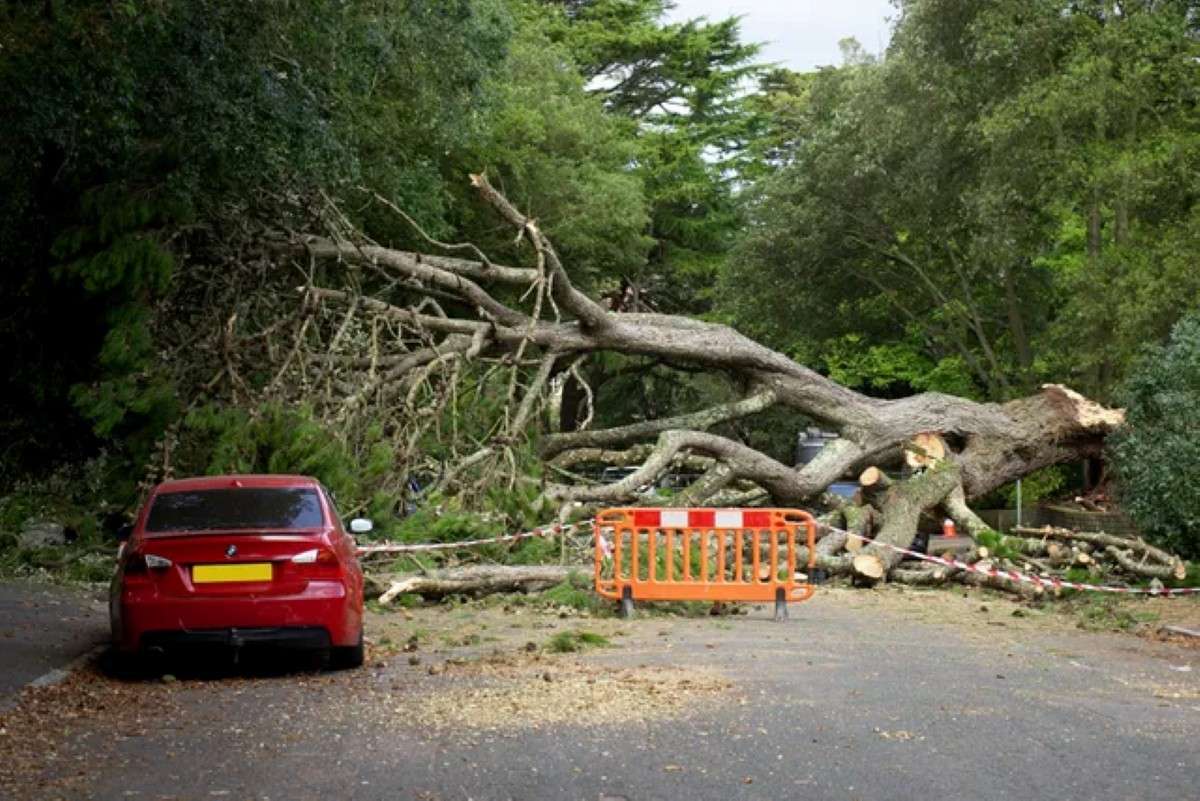
They should call an arborist when work involves height, chainsaws, powerlines, heavy limbs, or trees close to buildings. They should also get help when a tree shows signs of disease, decay, or instability, because the right decision might be pruning, monitoring, or removal, and guessing can be expensive.
If safety is uncertain, the safest move is to stop and get a professional assessment.
More to Read : Homeowner FAQs: How Much Does Stump Grinding Cost in Sydney?
FAQs (Frequently Asked Questions)
What should homeowners in Pymble check first when inspecting their property for tree safety?
Homeowners should start by examining anything that could fail and cause damage, such as overhanging limbs, visible cracks in large branches, dead tops, and trees that are leaning more than usual. They should also look for soil lifting, exposed roots, or new gaps around the base of trees, which may indicate movement. If any recent changes are noticed, booking an arborist assessment before the next storm is advisable.
How can early warning signs of unsafe trees be identified on a residential property?
Early warning signs include changes like sudden leaf drop, thinning canopy, dieback at branch tips, and mushrooms growing at the base of the tree. Other red flags are bark splitting, oozing sap, and hollow sounds when branches are gently tapped. For trees near homes or play areas, having an arborist inspect these signs ensures safety and proper management.
When is the optimal time to prune trees in Pymble to maintain tree health and property safety?
Pruning should be timed according to the tree’s biology and local risk factors. Generally, pruning outside peak heat and extreme cold is beneficial, but timing varies by species. It’s best to prune before problems arise—prior to branches touching roofs or power lines—to prevent damage. Consulting a local arborist can help determine precise timing considering nesting seasons and growth cycles.
What common pruning mistakes should homeowners avoid to prevent long-term tree problems?
Homeowners should avoid topping trees, harsh lopping, and removing excessive canopy at once. Such practices often lead to weak regrowth, sun damage, structural issues, and increased susceptibility to decay. Instead, targeted pruning that improves light penetration and clearance without stressing the tree is recommended for healthy long-term growth.
How can homeowners protect roofs, gutters, and solar panels from damage caused by tree debris?
Protection involves planning rather than just cleaning. Selective pruning to reduce canopy overhang improves airflow and minimizes leaf drop into gutters. Scheduling gutter cleaning before storm seasons prevents blockages that cause water ingress and fascia damage. For solar panels, trimming that reduces shading and leaf accumulation enhances energy output and lowers maintenance needs.
What steps should be taken if tree roots are lifting paving or affecting drainage systems on a property?
Before cutting roots, it’s essential to diagnose underlying causes like compacted soil or poor drainage. Since cutting major roots can destabilize trees and increase failure risk, consulting an arborist is crucial. Solutions often include using appropriate root barriers, revising landscaping design away from roots, improving soil conditions, or staged root management rather than abrupt root removal.